
Guide to Selecting Silver Jewelry: Understanding 925, 999, Purity, Plating, and Quality
When shopping for silver jewelry, it is easy to focus on the design first. A bracelet may catch your eye because of its shape, a ring may look right with your usual clothes, or a necklace may simply have the finish you have been looking for. But once you start comparing different pieces, the same questions usually come up: What does 925 mean? Is 999 silver better than 925? Does a higher silver content always mean better jewelry? And what exactly is the difference between sterling silver and silver-plated jewelry?
These questions matter because the best silver jewelry is not necessarily the piece with the highest silver content. For everyday jewelry, the right choice depends on how the metal will be worn, how much durability you need, the design of the piece, its surface finish, and how much maintenance you are willing to give it.
This guide explains the main silver purities used in jewelry and what those differences mean in real-world use, so you can make a more informed decision before buying.
What Does “Pure Silver” Actually Mean?
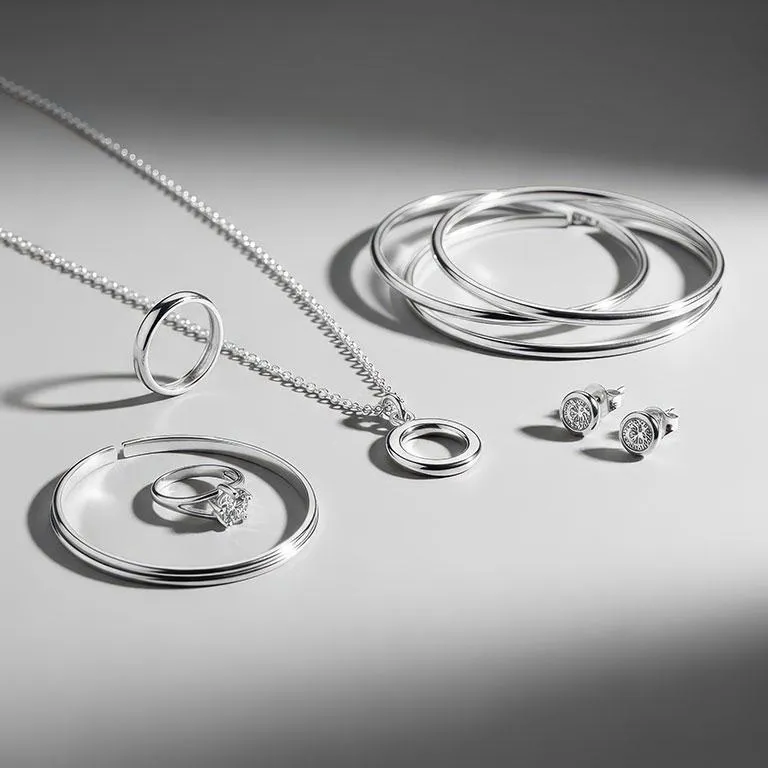
The first thing to understand is that the words pure silver, fine silver, y Plata esterlina do not all describe the same material.
Silver in its nearly pure form is very soft, which makes it beautiful to work with but not particularly practical for every type of jewelry. To make silver stronger and more suitable for daily wear, manufacturers combine it with small amounts of other metals.
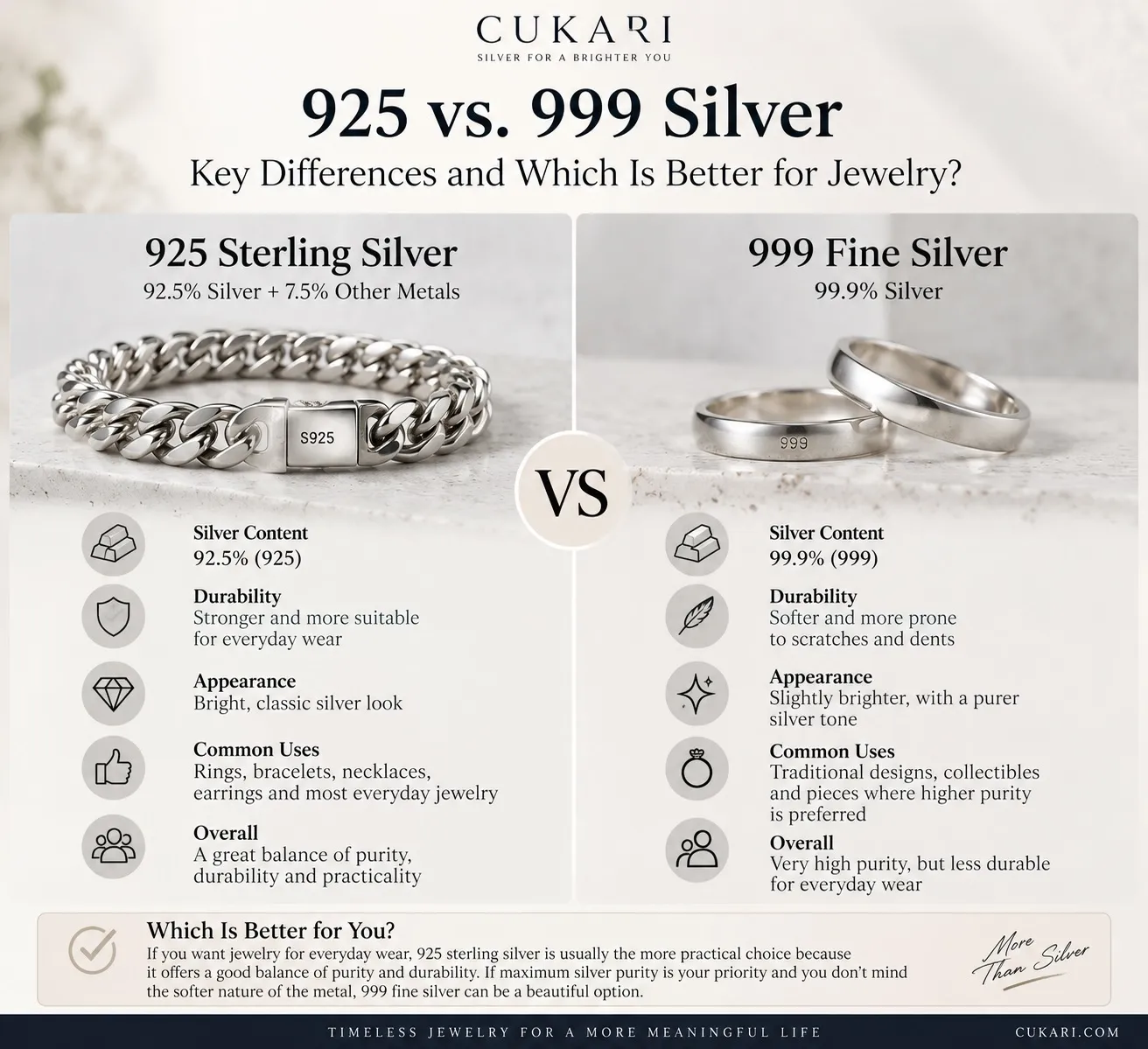
Fine silver is generally identified by a purity of around 99.9% silver and is often marked 999. Because there is very little alloying metal in it, fine silver is relatively soft. It can work well for certain designs and traditional silver pieces, but a ring or bracelet made entirely from very high-purity silver can be more susceptible to scratches, dents, and deformation.
Plata esterlina, by comparison, contains 92.5% silver and 7.5% other metals, commonly copper. It is usually marked 925 o S925. That additional alloy content makes the material harder and more suitable for jewelry that needs to handle regular movement and contact with clothing, skin, tables, bags, and other everyday surfaces. FTC consumer guidance also identifies 925 as the standard purity associated with sterling silver.
This is why higher silver purity does not automatically mean better jewelry. A 999 silver piece may contain more silver by weight, but a well-made 925 sterling silver bracelet can be the more practical choice if you intend to wear it regularly.
925 vs. 999 Silver: Which Is Better for Jewelry?
There is no single answer because the two materials are suited to different priorities.
| Silver type | Approx. silver content | Main characteristic | Everyday jewelry |
|---|---|---|---|
| 999 Fine Silver | 99.9% | Very high purity, relatively soft | Better for designs where softness is acceptable |
| Plata de ley 925 | 92.5% | Good balance of purity and durability | Excellent for many rings, bracelets, necklaces and earrings |
| 800 Silver | 80% | Lower silver content, harder alloy | Less common in modern fine jewelry |
If your main concern is maximum silver purity, 999 silver is the obvious choice. If your priority is durability and practical everyday wear, 925 sterling silver is usually the more sensible option.
GIA similarly notes that 999 silver is very soft and more susceptible to scratches and dents, while 925 sterling silver provides a useful balance between purity and durability.
For this reason, I would not judge a silver bracelet, ring, or necklace simply by asking, “Which one has more silver?” A better question is, “Which silver alloy makes sense for the way I plan to wear this piece?”
Why Is 925 Sterling Silver So Common?
The popularity of 925 sterling silver is largely practical.
Silver itself is relatively soft, so making jewelry from almost pure silver can create problems when the piece needs to maintain its shape. A bracelet that bends repeatedly, a ring that comes into contact with hard surfaces, or a detailed pendant that has thin sections all benefit from a material with greater structural strength.
Adding other metals to silver changes those characteristics without taking away the main visual qualities people expect from silver. The result is a material that can be formed into detailed designs while remaining suitable for regular use.
That is one reason 925 sterling silver is so widely used for bracelets, rings, necklaces, earrings, bangles, and other jewelry. It is not simply a cheaper alternative to 999 silver; for many types of jewelry, its slightly lower purity is precisely what makes it more practical.
Does a 925 Mark Mean the Jewelry Is Real?
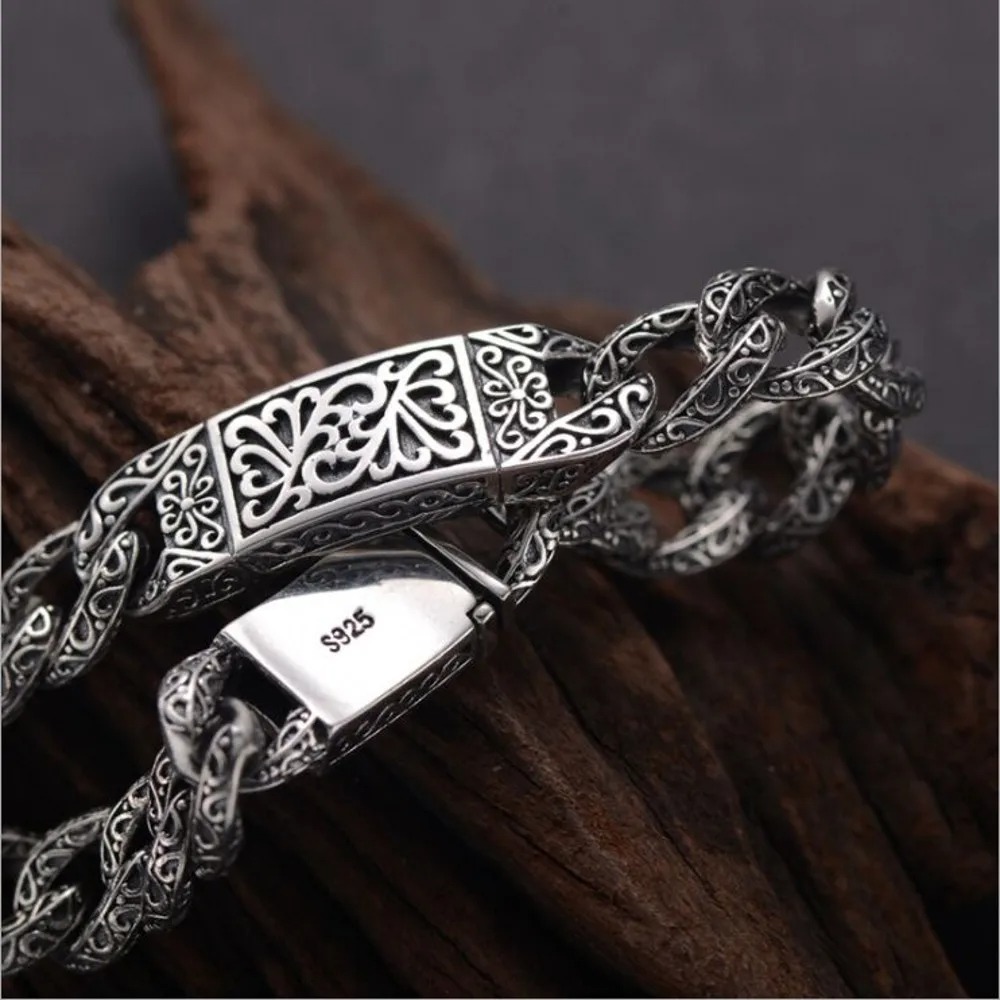
A 925, S925, or Sterling mark is an important clue, but it should not be treated as the only thing you check when buying silver jewelry.
A 925 mark is intended to indicate a silver content of 92.5%, but a stamp by itself does not tell you everything about the quality of the finished piece. You should also look at the seller’s material description, product specifications, construction, weight, clasp or fastening, finish, and return policy.
If you are unsure whether a bracelet is genuinely 925 sterling silver, our guide on how to tell if a 925 sterling silver bracelet is real goes into the different signs you can check before buying.
For more expensive pieces or situations where authenticity is genuinely in doubt, professional testing is more reliable than relying on a single home test.
Sterling Silver vs. Silver-Plated Jewelry
This distinction is particularly important because silver-plated jewelry is not the same thing as sterling silver jewelry.
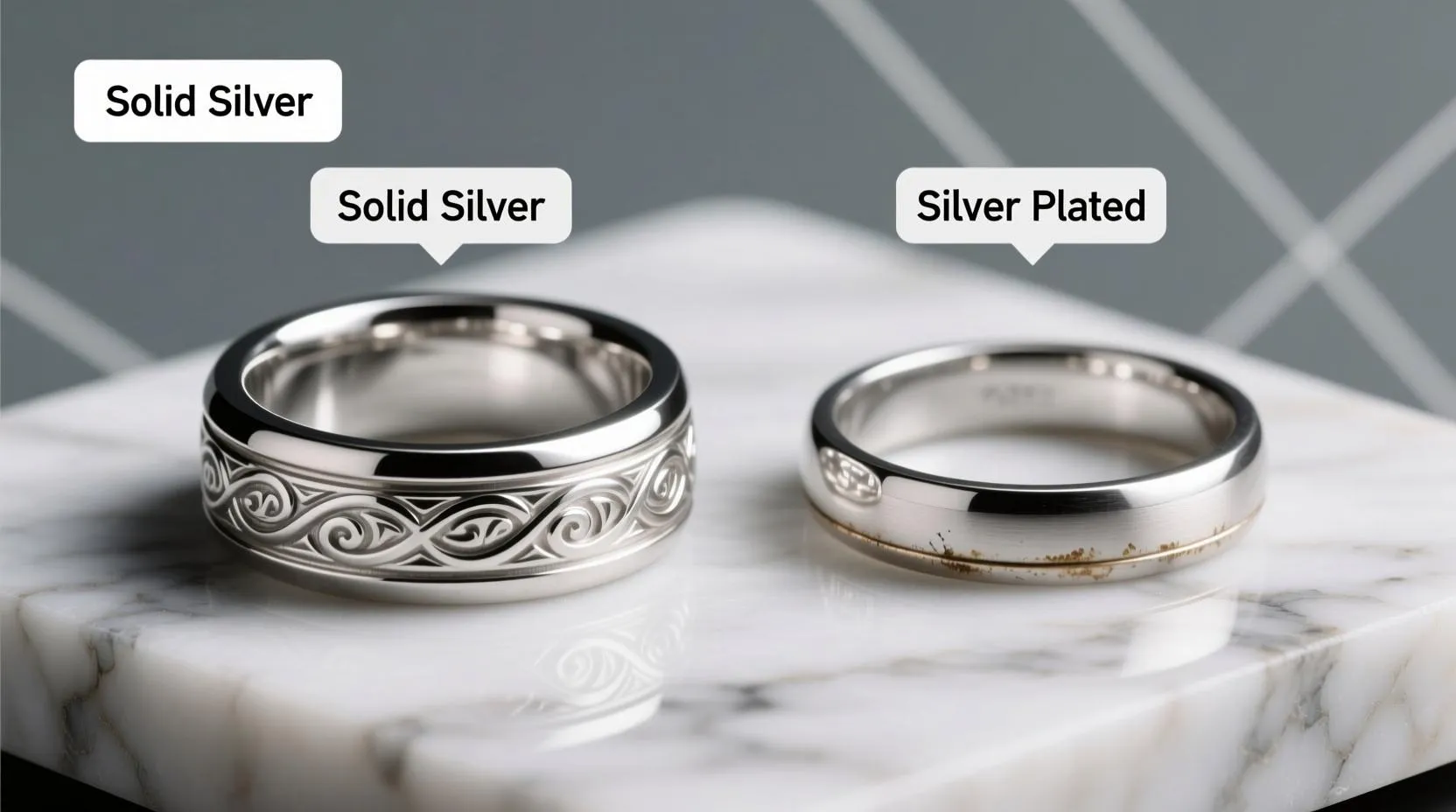
A sterling silver piece is made from a silver alloy throughout the main body of the item, with 925 meaning 92.5% silver. Silver-plated jewelry, on the other hand, has a layer of silver applied over another metal or base material.
The difference may not be obvious when both pieces are new, because a good silver-plated item can have a bright silver appearance. The difference becomes more important with long-term wear, especially around areas that experience repeated friction.
When comparing two pieces, therefore, do not stop at the word “silver.” Look for the actual material description. Terms such as Plata de ley 925, silver plated, y rhodium plated sterling silver describe different constructions and should not be treated as interchangeable.
FTC consumer guidance also advises shoppers to pay attention to the terminology used to describe silver because “silver” and “sterling silver” refer to specific silver content, while silver-plated products have a silver layer over another material.
What About Rhodium-Plated Sterling Silver?
Rhodium plating is different from silver plating. In this case, the underlying jewelry can still be sterling silver, while a very thin layer of rhodium is applied to the surface.
Rhodium has a bright, white appearance and can make sterling silver look especially crisp and reflective. It can also reduce the tendency of the exposed silver surface to tarnish while the plating remains intact. GIA notes that rhodium-plated sterling silver is less likely to tarnish.
There is a trade-off, however. Plating is a surface treatment, not a permanent change to the underlying metal. Areas that experience constant rubbing can eventually show wear, and the appearance may change as the surface layer becomes thinner.
That does not make plated jewelry a bad choice. It simply means that you should understand what you are buying and choose the finish according to how you expect to use the jewelry.
Should You Choose Plated or Unplated Sterling Silver?
For everyday wear, either can work well, but they have slightly different characteristics.
If you prefer the natural appearance of silver and do not mind occasional polishing, unplated sterling silver is straightforward and easy to maintain. It will naturally develop tarnish over time because silver reacts with substances in its environment, but that surface discoloration can usually be removed with appropriate cleaning and polishing.
If you prefer a brighter white finish and want to reduce visible tarnishing, rhodium-plated sterling silver may be more appealing. The main thing to remember is that the plating can eventually wear, particularly on rings, bracelet edges, clasps, and other areas that receive frequent friction.
For either option, good care makes a noticeable difference. GIA recommends appropriate storage and gentle cleaning practices for sterling silver and advises keeping jewelry away from harsh chemicals and chlorinated water.
How Does Craftsmanship Affect the Quality of Silver Jewelry?
The silver purity tells you what the material is, but it does not tell you how well the jewelry was made.
Two bracelets can both be made from 925 sterling silver and still feel very different in the hand. The quality of the links, soldering, clasp, edges, surface finishing, and overall construction can have a much greater effect on how the piece performs over time than a small difference in silver purity.
When buying a bracelet, for example, look closely at the connection between the links and the clasp. The links should move naturally without feeling excessively loose, while the clasp should operate smoothly and close securely.
For rings and bangles, pay attention to the thickness and shape of the band. Very thin sections can be more vulnerable to bending, particularly when the design has decorative details or cut-out areas.
For earrings and necklaces, examine the posts, hooks, jump rings, and other small connection points. These are often the parts that experience the most movement, even though they receive much less attention in product photographs.
Handcrafted jewelry can also show small variations in texture or finishing. Those differences are not necessarily defects; in many cases, they are part of how a handmade piece is produced. What matters more is whether the construction is clean, secure, and appropriate for the design.
Which Silver Jewelry Is Best for Everyday Wear?
If you plan to wear silver jewelry regularly, think about the amount of physical contact the piece will experience.
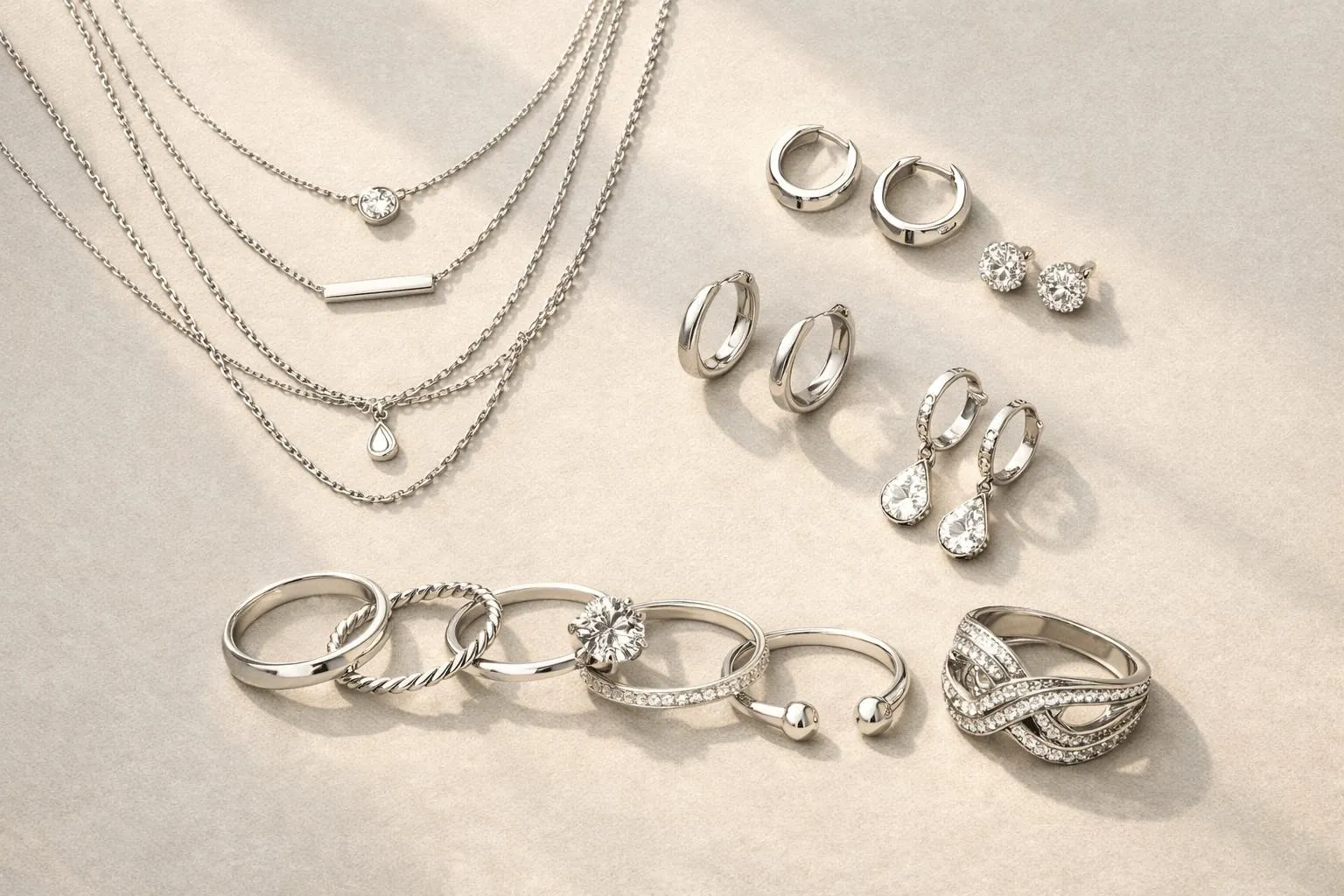
Pulseras
Bracelets are exposed to more movement and friction than many other types of jewelry. They can rub against clothing, desks, bags, watch straps, and other bracelets, so 925 sterling silver is generally a practical material for everyday bracelets.
If you are looking specifically for men’s styles, you can browse our men’s sterling silver bracelets. For women, the choice can range from lighter chain bracelets to more substantial silver designs depending on how the piece will be worn.
Bangles can also experience considerable impact because they move around the wrist and may strike hard surfaces during normal activity. A well-made 925 sterling silver bangle is often a better everyday option than a very soft high-purity silver piece.
You can compare different designs in our collections of women’s sterling silver bangles y men’s sterling silver bangles.
Anillos
Rings deserve a little more consideration because they are constantly exposed to contact with other objects. If you use your hands heavily during work, exercise, cooking, or other activities, a sturdy 925 sterling silver design is generally easier to live with than a very soft silver alloy.
The design matters just as much as the material. A thick, simple band may tolerate everyday use differently from a ring with delicate raised details or stones.
Necklaces and Earrings
Necklaces and earrings usually experience less direct impact than rings and bracelets, so the decision can be more about weight, comfort, design, and the type of fastening used.
For earrings, especially larger drop or hoop styles, weight can become an important consideration. With necklaces, pay attention to the chain structure and clasp because these small components determine how practical the piece will be in everyday use.
How Should You Choose Silver Jewelry for Your Lifestyle?
Rather than choosing silver jewelry based entirely on appearance, consider what happens after the first few weeks of ownership.
If you want something that you can wear frequently without being overly cautious, choose a well-constructed 925 sterling silver piece with a design suited to everyday activity.
If you prefer traditional high-purity silver and are comfortable treating the jewelry more carefully, 999 fine silver may be a good choice for the right design.
If you want a very bright white surface and do not mind that the finish may eventually need attention, rhodium-plated sterling silver is worth considering.
And if you are buying a piece mainly for occasional wear, you can place more emphasis on the design, finish, craftsmanship, and the way it works with your wardrobe rather than focusing only on maximum durability.
The best choice is usually the one that fits how you actually live, rather than the one that sounds most impressive in a product description.
What Should You Look for Before Buying Silver Jewelry?
Before placing an order, I would check several things rather than relying on one specification.
First, check the material. Look for a clear description such as 925 sterling silver rather than simply “silver.”
Second, check the construction. Product photographs should give you enough detail to understand the clasp, links, edges, and major components.
Third, check the size and weight. These details tell you much more about how substantial a bracelet, ring, or necklace will feel than a photograph alone.
Fourth, check the finish. Determine whether the jewelry is natural sterling silver, rhodium plated, gold plated, oxidized, or finished in another way.
Fifth, check the seller. A trustworthy seller should provide clear material information, product specifications, shipping details, and a reasonable return policy. The FTC also recommends researching the seller and understanding return policies before buying precious-metal jewelry.
Finally, consider how the jewelry will be maintained. Sterling silver is not a maintenance-free material, and that is not necessarily a disadvantage. Regular gentle cleaning and appropriate storage can keep a well-made piece looking good for a long time.
Does Sterling Silver Tarnish?
Yes. Sterling silver can tarnish over time, and tarnishing does not automatically mean that the jewelry is fake or poor quality.
Silver can react with substances in the environment and develop a darker or duller surface. Moisture, air, chemicals, cosmetics, and other everyday exposures can affect the appearance of silver, which is why jewelry that is worn frequently may eventually need cleaning.
GIA recommends storing sterling silver in an anti-tarnish bag or cloth and keeping jewelry away from harsh chemicals.
If you want to understand the issue in more detail, you can also read our guide on whether sterling silver jewelry turns black.
The important point is that tarnish is a maintenance issue, not a reason to assume that sterling silver is inferior.
How Should You Care for Silver Jewelry?
The simplest routine is usually the most useful one.
After wearing your jewelry, wipe away oils and residue with a soft cloth, particularly if the piece has been exposed to sweat, cosmetics, or moisture. When the jewelry is not being worn, keep it somewhere dry and protected from unnecessary friction rather than leaving it loose in a drawer with other pieces.
Avoid exposing silver jewelry unnecessarily to chlorine, household cleaning chemicals, perfumes, and other substances that can affect precious metals or gemstones. GIA specifically recommends removing fine jewelry before swimming in chlorinated pools or using household cleaners.
For more detailed care instructions, especially for bracelets, our guide on how to clean and maintain a sterling silver Cuban link bracelet explains a practical cleaning routine using a polishing cloth, mild soap, and appropriate silver-care methods.
What Is the Best Silver Jewelry to Buy?
There is no single silver purity or finish that is best for everyone.
For most people who want jewelry for regular use, 925 sterling silver is a particularly practical choice because it combines a high silver content with the additional strength needed for everyday jewelry designs. Fine silver or 999 silver makes sense when high purity is the priority and the wearer is prepared to handle the softer material with more care.
Beyond purity, however, you should look at the entire piece. A well-designed bracelet with good construction, a secure clasp, appropriate thickness, and a finish that suits your lifestyle can be a much better purchase than a higher-purity piece that is too soft or poorly constructed for the way you intend to wear it.
That is the part of buying silver jewelry that is easy to overlook: the number stamped on the jewelry tells you about the metal, but it does not tell you everything about the jewelry itself.
FAQ About Silver Jewelry
Is 925 silver considered real silver?
Yes. 925 sterling silver contains 92.5% silver, with the remaining portion made up of alloying metals. The 925 designation refers to the silver content of the material.
Is 999 silver better than 925 silver?
Not necessarily. 999 silver has a higher silver content, but it is also softer and more susceptible to scratches and dents. For many everyday jewelry applications, 925 sterling silver offers a more practical balance between purity and durability.
Does 925 sterling silver tarnish?
Yes. Sterling silver can tarnish with exposure to air, moisture, chemicals, and everyday substances. Proper storage and occasional polishing can help maintain its appearance.
Is silver-plated jewelry the same as sterling silver?
No. Silver-plated jewelry has a layer of silver over another material, while sterling silver is a silver alloy containing 92.5% silver. Always check the material description before buying.
Does rhodium plating make sterling silver better?
Rhodium plating can give sterling silver a bright white appearance and make the surface less prone to tarnishing while the plating remains intact. However, it is still a surface treatment and can wear with repeated friction.
Can sterling silver be worn every day?
Yes, many 925 sterling silver pieces are suitable for everyday wear. The actual durability depends on the design, thickness, construction, finish, and how the jewelry is treated. Rings and bracelets generally experience more physical contact than necklaces or earrings.
How can I keep sterling silver from tarnishing?
Store it in a dry, protected place, preferably in an anti-tarnish bag or cloth, and avoid unnecessary exposure to chemicals and moisture. When tarnish develops, use a suitable silver polishing method rather than abrasive household products.
Reflexiones finales
Choosing silver jewelry becomes much easier once you stop looking at purity as the only measure of quality.
A piece marked 999 may contain more silver than a 925 piece, but that does not automatically make it the better choice for a bracelet or ring that you plan to wear every day. In the same way, a beautiful plated piece is not necessarily a poor purchase simply because it has a surface finish; what matters is understanding what the plating is, how it may wear, and whether it fits your expectations.
For everyday jewelry, 925 sterling silver remains a practical and widely used option because it combines substantial silver content with the strength needed for many jewelry designs. From there, the most important factors are construction, finish, comfort, size, intended use, and the reputation of the seller.
Once you know what those details mean, you can compare silver jewelry on something more useful than a number on a product page. You can choose a piece based on how it is made, how you will wear it, and how well it fits your everyday life.