
How to Clean and Maintain Your Sterling Silver Cuban Link Bracelet
A sterling silver Cuban link bracelet is the kind of jewelry that can easily become part of your everyday wardrobe. It works just as well with a T-shirt and jeans as it does with a shirt or a more dressed-up outfit, which is probably why many people end up wearing the same bracelet several days a week. After a while, though, you may notice that the silver doesn’t look quite as bright as it did when you first bought it.
That is usually nothing to worry about. Sterling silver naturally changes over time, and regular contact with perspiration, moisture, perfume, lotions and other substances can make tarnish appear more quickly. With a Cuban link bracelet, there is also the added problem of dirt and residue collecting around the connected links and clasp, where it can be difficult to see until you take the bracelet off.
The good news is that keeping a sterling silver Cuban link bracelet clean does not require a complicated routine. For most everyday situations, a good silver polishing cloth, mild soap, lukewarm water and a little patience are enough. The more important part is knowing when to use each method and avoiding cleaning techniques that are unnecessarily harsh on the silver.
Why Does a Sterling Silver Cuban Link Bracelet Tarnish?
If your bracelet gradually becomes darker or loses some of its shine, it does not automatically mean that the silver is damaged or that the bracelet is not genuine.
Sterling silver contains 92.5% silver, with the remaining portion made up of other metals that give the material greater strength and make it more practical for jewelry. Silver can react with substances in the surrounding environment, which is why tarnish can develop even when the bracelet is made from genuine sterling silver.
The speed at which this happens varies considerably. Someone who wears the same bracelet every day and lives in a humid environment may notice tarnishing much sooner than someone who wears a bracelet occasionally and keeps it stored in a dry place. Perspiration, cosmetics, moisture and exposure to certain chemicals can all contribute to changes in the appearance of silver.
If you want to understand the differences between fine silver, sterling silver and other silver alloys in more detail, our guide to selecting pure silver jewelry explains the different purity levels and why 925 sterling silver is commonly used for jewelry.
There is another reason Cuban link bracelets need a little extra attention: their construction. The individual links create small spaces where skin oils, sweat, lotion and dust can collect, while the clasp can also trap residue that is difficult to notice during normal wear. This means that cleaning a Cuban link bracelet properly involves more than simply polishing the most visible part of the surface.
How Often Should You Clean a Cuban Link Bracelet?
There is no fixed schedule that every sterling silver bracelet needs to follow. How often you clean yours depends mostly on how frequently you wear it and what kind of conditions it is exposed to.
If you wear your Cuban link bracelet almost every day, a quick wipe with a soft silver polishing cloth every now and then is usually enough to remove fingerprints, surface oils and light tarnish before they become more noticeable. You do not need to give the bracelet a full soap-and-water cleaning every time you take it off.
A more thorough cleaning makes sense when you can see dirt collecting between the links, when the bracelet has started to look noticeably dull, or when you can feel residue on the surface. If you only wear the bracelet occasionally, you may not need to clean it very often, although it is still worth giving it a quick polish before putting it away after a long period of wear.
The goal is not to polish the silver as often as possible. It is to remove buildup when it appears while avoiding unnecessary rubbing or chemical treatment.
How to Clean a Sterling Silver Cuban Link Bracelet
For a normal sterling silver Cuban link bracelet, I recommend starting with the gentlest method that is likely to solve the problem. Light tarnish does not need the same treatment as dirt trapped between the links, and neither requires the same approach as severe tarnishing.
Start With a Silver Polishing Cloth
If the bracelet has only light tarnish or has simply lost some of its shine, a silver polishing cloth is usually the easiest place to start.
Gently rub the cloth over the silver surface, working along the individual links rather than repeatedly rubbing the entire bracelet with heavy pressure. Make sure you reach the front, sides and underside of the links, since the underside is often where sweat and skin oils accumulate during everyday wear.
As you polish, you may see dark marks appearing on the cloth. That is normal and usually means that surface tarnish and residue are being removed.
There is no reason to press hard. A polishing cloth works through repeated gentle contact with the surface, and aggressive rubbing is more likely to create unnecessary wear than to make the bracelet significantly cleaner.
If the bracelet is only slightly dull, you may find that this simple step restores most of the shine without using water or any cleaning solution.
Clean Dirt With Mild Soap and Lukewarm Water
A polishing cloth is very useful for tarnish and surface dullness, but it cannot always remove the residue that gradually builds up between the individual links.
When the bracelet needs a more thorough cleaning, put a small amount of mild soap into lukewarm water and gently clean the bracelet. You do not need a strong detergent because the purpose of the soap is simply to loosen sweat, skin oils, lotion and other residue that has accumulated on the metal.
You can gently move the bracelet through the water and use your fingers to work around the links. If a brush is necessary for a difficult-to-reach area, choose one with very soft bristles and use light pressure rather than scrubbing the silver aggressively.
Once the residue has loosened, rinse the bracelet with clean lukewarm water so that no soap remains on the surface.
Pay Attention to the Spaces Between the Links
This is probably the easiest part of a Cuban link bracelet to overlook.
When the bracelet is lying flat, the outside of the links may look perfectly clean while small amounts of residue remain around the connecting areas. If you wear the bracelet regularly, move the links gently while cleaning so that you can reach areas that normally stay hidden.
You should never need to force a sharp object into the gaps. Using a pin, knife or other metal tool to scrape out dirt can scratch the surface or damage the connection between the links. If something is difficult to remove, give the area more time in mild soapy water and clean it gradually instead.
Rinse and Dry the Bracelet Thoroughly
After cleaning, rinse the bracelet carefully with clean water and then dry it with a soft, lint-free cloth.
This step is especially important for a Cuban link bracelet because moisture can remain around the connections between the links and inside the clasp even when the outside looks dry. Open the clasp if possible, move the links gently and make sure there is no obvious moisture left in those areas before storing or wearing the bracelet again.
You also don’t need to leave the bracelet soaking for a long time. The purpose of the water is to loosen dirt and soap residue, not to keep the jewelry submerged for an extended period.
Once the bracelet is completely dry, you can give it another light pass with a silver polishing cloth if you want to restore additional shine.
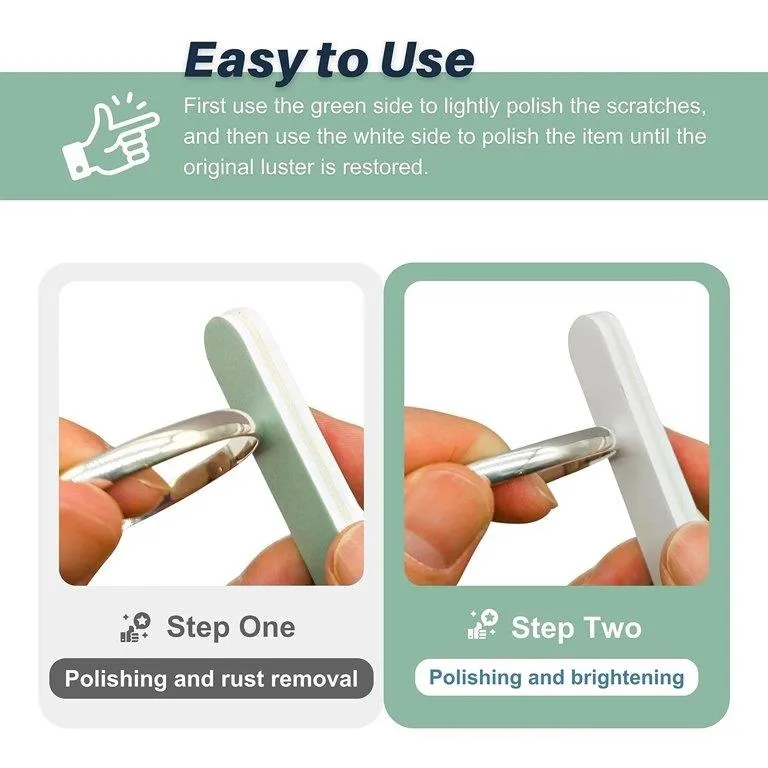
How to Use a Silver Polishing Stick
A silver polishing stick is useful when you need to reach smaller areas that are difficult to clean with a cloth, particularly around the clasp, along the edges of the links and in narrow recessed areas.
Use the stick gently and work on a small section at a time rather than repeatedly rubbing the entire bracelet. If a particular area has stubborn tarnish, several light passes are preferable to applying a lot of pressure all at once.
It is also worth being more cautious if the bracelet has gemstones, plating, an intentionally oxidized finish or another decorative treatment. Polishing removes surface tarnish, so you do not want to accidentally change a finish that was deliberately applied to the jewelry.
After using the polishing stick, wipe the bracelet with a clean, soft cloth to remove any remaining residue.
What If the Bracelet Is Heavily Tarnished?
There is a noticeable difference between a bracelet with a little surface tarnish and one that has been stored for months and has become very dark.
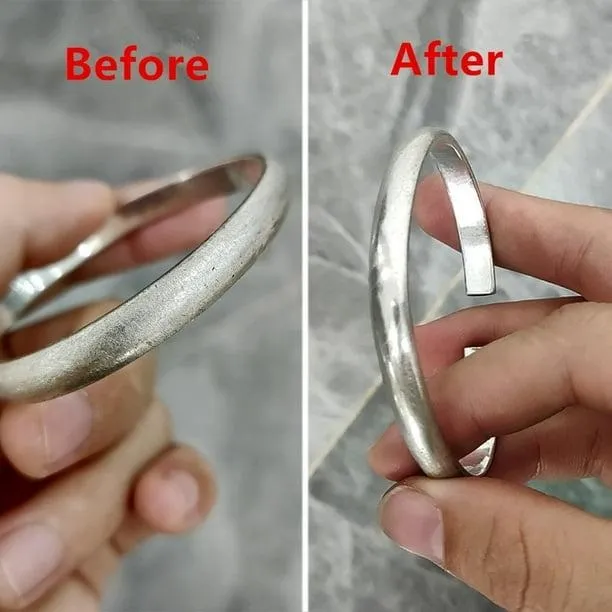
For light tarnish, a polishing cloth is normally the first method I would try. When the tarnish is heavier, however, repeatedly rubbing the bracelet harder is not necessarily the best solution.
You will find plenty of homemade silver-cleaning recipes online that use baking soda, aluminum foil, vinegar, lemon juice or other household ingredients. Some of these methods can change the appearance of tarnished silver, but that does not mean they are appropriate for every piece of jewelry. The situation becomes more complicated when a bracelet has an oxidized finish, gemstones, plating or other decorative details.
If you have a plain sterling silver bracelet with heavy tarnish, a cleaning product specifically designed for sterling silver may be appropriate when used according to the manufacturer’s instructions. If you are unsure about the bracelet’s finish or materials, professional cleaning is a safer choice than experimenting with a strong chemical treatment at home.
In most cases, though, regular gentle maintenance is preferable to waiting until the bracelet is heavily tarnished and then trying to remove everything in one session.
Should You Use Baking Soda to Clean Sterling Silver?
Baking soda is one of the most common DIY recommendations for cleaning silver, but I would not make it the standard method for maintaining a Cuban link bracelet.
The issue is not simply whether baking soda can make tarnished silver look brighter. Jewelry can have different finishes and construction details, and a cleaning method that works reasonably well on one plain silver item may not be suitable for another. A highly polished bracelet is different from a piece with an intentionally oxidized surface or delicate decorative elements.
For routine maintenance, a silver polishing cloth is easier to control and is specifically intended for polishing silver. If a bracelet needs more than a cloth can provide, a silver-specific cleaner or professional cleaning is a more predictable choice than experimenting with increasingly aggressive home remedies.
What About Toothpaste, Vinegar or Lemon Juice?
These methods appear frequently in online cleaning advice because they are inexpensive and readily available, but I would skip them for regular jewelry care.
Toothpaste can contain abrasive ingredients that were never intended for polishing jewelry, while acidic household ingredients such as vinegar and lemon juice are unnecessary when there are products specifically made for cleaning silver.
There is also no good reason to take a risk with a bracelet when you may not know exactly how its finish or decorative details will react. Jewelry care is one of those situations where the simplest method is often the better one.
Should You Use Silver Dip?
Silver dip can remove tarnish very quickly, which makes it tempting when a bracelet has become heavily discolored. The problem is that a fast result does not necessarily make it the best choice for every piece.
Some silver jewelry has deliberately oxidized areas that are meant to remain darker, and aggressive chemical cleaning can change that appearance. Certain gemstones, coatings and decorative treatments can also require different care.
For a plain sterling silver bracelet, a silver-specific cleaning product may be suitable if its instructions specifically allow that use. However, I would not make silver dip part of a regular cleaning routine for a Cuban link bracelet unless you know that the particular product is appropriate for the jewelry.
How to Protect Your Bracelet During Everyday Wear
Good silver care is not only about what you do after the bracelet becomes tarnished. Your everyday habits have a much greater effect on how quickly the bracelet becomes dirty in the first place.
Perfume, lotion, sunscreen, hair products and other cosmetics can leave residue on silver, so it is generally better to apply these products first and put your bracelet on afterward. You don’t have to avoid wearing silver around cosmetics completely, but reducing unnecessary contact makes the bracelet easier to keep clean.
Swimming is another situation where removing the bracelet is worthwhile. Chlorinated pool water can affect silver, and there is little benefit to exposing a piece of jewelry to chlorine when you can simply take it off before getting into the pool.
The same principle applies when you are using household cleaning products. If you are working with bleach, ammonia or another strong chemical, remove the bracelet before you start. A few seconds spent taking it off can prevent unnecessary exposure that may otherwise leave you with a much bigger cleaning job.
Exercise depends on the situation. There is nothing wrong with wearing sterling silver during normal daily activity, but if you are doing a workout that involves heavy sweating, repeated contact with equipment or a lot of friction, taking the bracelet off is a sensible way to reduce both physical wear and exposure to sweat.
Cuban link bracelets are often chosen as everyday jewelry because the style has enough presence to stand on its own without requiring a complicated outfit. If you’re interested in seeing different designs, you can also browse our collection of men’s sterling silver bracelets.
Can You Shower With a Sterling Silver Cuban Link Bracelet?
Getting a sterling silver bracelet wet once does not mean that it has been ruined, but wearing it in the shower every day is not a habit I would recommend if you want to keep the bracelet looking its best.
Soap, shampoo and body wash can gradually build up around the links and clasp, while moisture can remain in areas that are difficult to dry completely. The issue is therefore less about one shower and more about repeated exposure over time.
Taking the bracelet off before showering is a simple habit, and it means you will not have to spend as much time later removing soap residue from between the links.
If you accidentally shower with the bracelet on, there is no need to panic. Rinse away any obvious residue and dry the bracelet thoroughly afterward.
If you want a more detailed explanation of how water affects sterling silver jewelry and which types of exposure are more concerning, you can also read our guide to whether sterling silver jewelry can get wet.
What Should You Avoid When Cleaning Silver?
You don’t need a complicated list of rules, but there are a few things that are best avoided when cleaning a sterling silver Cuban link bracelet.
Avoid steel wool, scouring pads and other rough abrasive materials, as well as bleach and strong household chemicals. Aggressive scrubbing is unnecessary, and leaving the bracelet submerged for a long time does not make the cleaning process more effective.
It is also better not to experiment with chemical cleaning methods when you do not know what type of finish the bracelet has. This is especially important for pieces that contain gemstones or intentionally darkened areas.
If you are unsure whether a particular cleaning product is suitable for your bracelet, check the manufacturer’s instructions or ask a jeweler rather than assuming that a method recommended for plain silver will work for every piece of jewelry.
How to Store a Sterling Silver Cuban Link Bracelet
Cleaning is only part of keeping silver jewelry in good condition. How you store the bracelet when you are not wearing it can make a noticeable difference, particularly if it will remain unused for several weeks or months.
Keep the bracelet somewhere dry and protected, preferably in an anti-tarnish pouch or a jewelry box with a separate compartment. Storing individual pieces separately also reduces the chance of the bracelet rubbing against another piece of jewelry and picking up unnecessary scratches.
A drawer filled with bracelets, watches, keys and other metal objects may be convenient, but it is not ideal for a polished silver bracelet. The concern is not that another metal will automatically cause your silver to tarnish; the bigger practical problem is that hard objects can rub against the bracelet and scratch the surface.
If you live in a humid environment, keeping the storage area dry becomes even more important. Before putting the bracelet away, make sure it is completely dry, especially around the clasp and between the links.
Check the Clasp and Links While You Clean
One useful thing about cleaning a bracelet by hand is that you have an opportunity to inspect it at the same time.
Take a moment to look at the clasp and make sure it still closes securely. If it suddenly feels loose or does not close in the same way it used to, it is worth having it checked before continuing to wear the bracelet regularly.
The individual links deserve a quick look as well, especially if the bracelet is worn every day. Watch for a link that appears bent, unusually loose or damaged after being knocked against a hard surface.
This does not mean you need to inspect your bracelet every time you polish it. An occasional check is enough, but catching a small mechanical problem early is much easier than discovering that a clasp or link has failed after the bracelet has fallen off.
A Simple Long-Term Care Routine
If you don’t want to remember a long list of jewelry-care rules, the routine can be kept fairly simple.
For normal daily wear, wipe the bracelet with a silver polishing cloth whenever you notice fingerprints, sweat or light tarnish building up. When dirt starts collecting between the links, clean the bracelet with mild soap and lukewarm water, rinse it thoroughly and make sure it is completely dry before wearing or storing it.
If the polishing cloth cannot reach a particular area, such as part of the clasp or a recessed section between the links, use a silver polishing stick gently. For heavier tarnish, choose a cleaner specifically intended for sterling silver only when it is appropriate for the bracelet’s material and finish, and avoid experimenting with strong household chemicals.
Before swimming, showering, exercising heavily or working with household cleaning chemicals, taking the bracelet off is usually the easiest way to reduce unnecessary exposure. When you are finished wearing it, store it somewhere dry and separate from other jewelry.
That is really all most people need. Silver jewelry is meant to be worn, and maintaining it should not feel like a weekly project.
Does Sterling Silver Eventually Lose Its Shine?
Sterling silver naturally changes over time, particularly when it is worn regularly and exposed to air, moisture and everyday products. A bracelet may become slightly duller or develop some tarnish, but that does not mean the silver has become unusable.
In many cases, the surface simply needs to be cleaned and polished.
Small scratches can also appear with normal wear, especially on a bracelet that is worn every day. Those marks are part of the life of the jewelry and are different from tarnish. Cleaning can remove surface residue and restore brightness, but it will not make normal wear disappear completely.
The better approach is to accept that sterling silver needs occasional maintenance rather than expecting it to look exactly the same forever.
It is also worth remembering that tarnishing is not a reliable way to determine whether a bracelet is genuine. Real sterling silver can tarnish, while the absence of tarnish does not prove that a piece is genuine either. If you are unsure about the material of a bracelet, our guide on how to tell if a 925 sterling silver bracelet is real explains the 925 mark, construction details and other things worth checking before you buy.
Perguntas frequentes
How often should I clean my sterling silver Cuban link bracelet?
There is no fixed schedule. If you wear it every day, a quick wipe with a silver polishing cloth when needed can help control surface oils and light tarnish. Give it a more thorough cleaning when you notice visible dirt or buildup between the links.
How can I make my sterling silver Cuban link bracelet shiny again?
For light tarnish, gently polish the bracelet with a silver polishing cloth. If dirt has accumulated between the links, clean it first with mild soap and lukewarm water, rinse it thoroughly and dry it completely before polishing.
Can I clean sterling silver with soap and water?
Yes. Mild soap and lukewarm water are a practical way to remove ordinary dirt and residue from many sterling silver pieces. Avoid strong detergents, rinse the bracelet thoroughly and make sure no moisture remains trapped between the links or around the clasp.
Can I use a toothbrush to clean a Cuban link bracelet?
A very soft toothbrush can help loosen dirt from areas that are difficult to reach, but use light pressure and avoid stiff bristles or aggressive scrubbing.
Can I use baking soda on sterling silver?
Baking soda is widely recommended as a homemade silver-cleaning method, but it is not the method I would choose for routine care of a Cuban link bracelet. A silver polishing cloth is easier to control, while a silver-specific cleaner is a more predictable option when heavier tarnish requires more than polishing.
Can I use a silver polishing stick on my bracelet?
Yes. A polishing stick can be useful for smaller areas around the clasp and between the links where a cloth is difficult to use. Work gently and take extra care around gemstones, plating or intentionally oxidized finishes.
Why does my sterling silver bracelet turn black?
Sterling silver can develop dark tarnish as the silver reacts with substances in the environment. Moisture, perspiration, cosmetics and certain chemicals can make the process happen faster. Tarnishing by itself does not mean that a bracelet is fake or damaged.
Can I wear a sterling silver Cuban link bracelet every day?
Yes. Sterling silver is suitable for everyday jewelry, although regular wear will naturally result in some scratches and tarnishing over time. Taking the bracelet off before swimming, showering or using strong chemicals can reduce unnecessary exposure and wear.
Can I wear my sterling silver bracelet in the pool?
It is better to remove it before swimming because chlorine can affect silver. Taking the bracelet off is a simple precaution that avoids unnecessary chemical exposure.
Should I remove my silver bracelet before showering?
I recommend removing it if you want to minimize residue and unnecessary exposure to moisture. Soap, shampoo and body wash can build up around the links and clasp, which means the bracelet will need to be cleaned more often.
How do I clean the clasp on a Cuban link bracelet?
For light tarnish, use a soft silver polishing cloth. If dirt has collected around the clasp, mild soap and lukewarm water with a very soft brush can help loosen it. A silver polishing stick can also be useful for small areas that are difficult for a cloth to reach.
How should I store a sterling silver Cuban link bracelet?
Keep it somewhere dry and preferably store it separately from other jewelry. An anti-tarnish pouch or a jewelry box with an individual compartment is a practical choice, especially if you will not be wearing the bracelet for an extended period.
Considerações finais
Taking care of a sterling silver Cuban link bracelet is much easier than it may seem, and there is usually no reason to reach for complicated cleaning recipes as soon as the silver starts looking a little darker.
For normal maintenance, a silver polishing cloth is usually enough to deal with light tarnish and restore some of the original shine. When dirt and residue build up between the links, mild soap and lukewarm water provide a simple way to clean the bracelet, provided that you rinse it properly and take the time to dry the links and clasp afterward. A silver polishing stick is useful when you need to reach smaller areas, while heavily tarnished or specially finished pieces may be better handled with an appropriate silver cleaner or professional cleaning.
Just as important, pay attention to what happens between cleanings. Taking the bracelet off before swimming or using strong household chemicals, avoiding unnecessary contact with cosmetics, and storing the bracelet somewhere dry will reduce the amount of cleaning it needs in the first place.
Sterling silver is meant to be worn, and a few small scratches or changes in shine are simply part of owning jewelry that you actually use. With a little regular care rather than constant polishing, your Cuban link bracelet can continue to look good for many years.